
the four agreements full book pdf pdf free download
Discover how the Four Agreements guide everyday life, offering simple yet powerful principles for personal freedom and happiness. This introduction invites readers to explore the core ideas and the transformative potential of each agreement.Readers gain clarity, confidence, and a roadmap to authentic living;!!!
Overview of the Four Agreements Book
In this concise guide, the Four Agreements distill centuries of wisdom into four actionable principles that reshape how we think, speak, and act. The first agreement, “Be Impeccable with Your Word,” urges honesty and integrity, encouraging readers to speak with clarity and avoid gossip or self‑criticism. The second, “Don’t Take Anything Personally,” teaches emotional resilience, reminding us that others’ reactions reflect their own realities, not our worth. The third, “Don’t Make Assumptions,” promotes open communication, urging us to ask clarifying questions rather than jump to conclusions. The fourth, “Always Do Your Best,” encourages continuous effort, accepting that our best varies with circumstances. Together, these agreements form a practical framework for personal freedom, healthier relationships, and a more purposeful life. By integrating them into daily habits, readers can break self‑limiting patterns, cultivate self‑respect, and foster a mindset of growth and gratitude. The book’s accessible language, real‑world examples, and reflective exercises make it approachable for beginners and seasoned seekers alike, offering a roadmap toward mindful living and authentic joy. Readers who commit to practicing these agreements daily often report self‑awareness, reduced conflict, and a renewed sense of purpose, as each principle interlocks to create a resilient, compassionate mindset that transforms inner dialogue and interactions. Ultimately, the Four Agreements serve as a compass, guiding readers toward a life of authenticity, inner peace, and harmonious relationships that endure beyond fleeting trends.
Purpose of the Article
Our goal is to guide readers seeking a free, legal, and reliable way to access the Four Agreements full text, while highlighting the value of the book’s teachings. We aim to clarify the benefits of downloading the PDF, explain how the agreements can be applied in everyday life, and provide step‑by‑step instructions for safe acquisition. By offering a clear overview of the book’s core principles, we help readers decide whether the material aligns with their personal growth objectives. We also emphasize the importance of respecting copyright and using reputable sources, so readers can enjoy the text without compromising security or ethics. This article serves as a practical resource for anyone interested in the Four Agreements, whether they are new to the ideas or seeking a convenient digital copy for study, reflection, or sharing. In doing so, we hope to explore the transformative power of the agreements, while ensuring they do so responsibly and legally. The article’s structure guides the reader from an initial introduction to actionable steps, making the process straightforward and user‑friendly. Ultimately, we want to foster a community of informed, mindful readers who can benefit from the book’s wisdom in a safe and sustainable way. Readers will also learn how to verify the authenticity of the PDF, ensuring it matches the original content and is free from malware. Additionally, we outline the steps to back up the file securely, preserving the integrity of the text for future reference. By following these guidelines, readers can enjoy the Four Agreements with confidence, knowing they have a trustworthy copy that supports their journey toward personal freedom and mindful living!!

Where to Find the PDF
Explore trusted repositories, official libraries, and reputable e‑book platforms that offer the Four Agreements PDF. Prioritize sites with clear licensing, secure downloads, and user reviews. Verify file authenticity before opening to ensure a safe, high‑quality copy for study for use.?!

Official Sources
Official sources for the Four Agreements PDF are typically found through the author’s publisher or the author’s own website. The book was originally published by Penguin Random House, and the publisher’s site often hosts a free sample or a full PDF for educational purposes. Additionally, the author’s official website, donmigueldiaz.com, sometimes offers a downloadable version for students and researchers, especially during promotional periods or academic collaborations. Libraries that partner with the publisher may provide digital access through platforms such as OverDrive, Libby, or the university’s e‑resource portal, where the PDF can be borrowed legally and safely. For those seeking a permanent copy, the publisher’s online store offers a PDF edition for purchase, ensuring that the file is authentic and free from malware. Always verify that the source is legitimate by checking for secure HTTPS connections, official domain names, and clear copyright notices. If the PDF is provided as a free download, it is usually accompanied by a license agreement that outlines permissible use, such as personal study or non‑commercial sharing. By using these official channels, readers can avoid the risk of downloading corrupted or pirated copies that may contain viruses or illegal content. In summary, the safest way to obtain the Four Agreements PDF is through the publisher’s website, the author’s official site, or licensed library services, all of which provide verified and compliant documents today. These sources guarantee a virus‑free PDF that respects the author’s rights and learning !
Third-Party Platforms
Many independent sites host the text, offering free downloads for casual readers. These platforms range from community forums to file‑sharing networks. While they may provide quick access, the quality and legality of the files can vary widely. Some sites host scanned copies that lack proper formatting, while others offer compressed PDFs that may be corrupted or embedded with malware. Users should look for platforms that provide clear licensing information or user reviews indicating a trustworthy source. Popular examples include open‑access repositories and digital libraries that host public‑domain works. However, the book in question is still under copyright, so any third‑party copy is likely a derivative or unauthorized distribution. The risk of downloading from these sites includes exposure to viruses, data theft, and potential legal repercussions if the material is used beyond personal study. To mitigate these risks, readers can cross‑check file hashes against known legitimate versions, use reputable antivirus tools, and verify the site’s HTTPS status. Additionally, many community‑run sites offer discussion forums where users can confirm the authenticity of a PDF before downloading. Ultimately, while third‑party platforms may seem convenient, they often lack the safeguards that official channels provide, making them a less reliable option for obtaining a clean, legal copy of the text. Readers should also verify that the file size matches expectations, as unusually small PDFs may indicate incomplete content. Checking for a digital watermark or author signature can further confirm authenticity. Finally, consider supporting the author by purchasing a legitimate copy, which ensures continued availability of future works. This approach balances convenience with respect for rights and promotes a healthier digital ecosystem.

Legal Considerations
Legal considerations highlight that the Four Agreements remains under copyright, and unauthorized distribution may breach laws. Users should verify licensing, respect author rights, and avoid sharing or using the PDF without permission. Safe practices protect both creators and readers.Always seek legit sources.
Copyright Laws
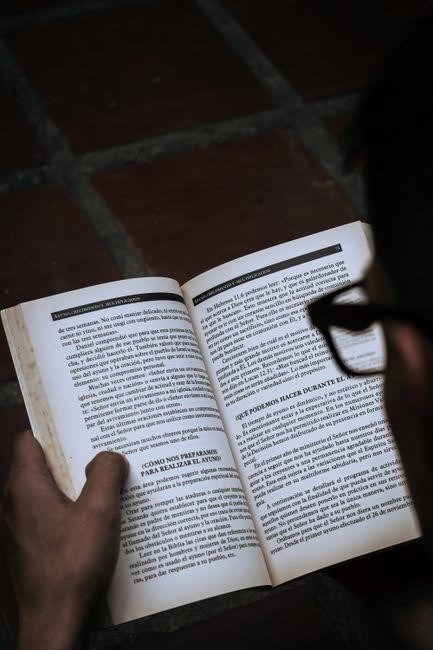
Copyright law protects authors’ intellectual property, ensuring that their creative works are not reproduced, distributed, or displayed without permission. The Four Agreements, written by Don Miguel Ruiz, is a copyrighted text, and its digital version is subject to the same legal protections as any other literary work. In many jurisdictions, the author and publisher hold exclusive rights to reproduce, adapt, and distribute the material, whether in print, audio, or electronic formats. Downloading or sharing a PDF copy without explicit authorization from the rights holder constitutes a violation of copyright law, exposing the infringer to civil liability, statutory damages, and criminal penalties. The legal framework governing digital works balances creators’ interests, who rely on royalties and licensing agreements to sustain their livelihoods, with the public’s desire for access to knowledge. When a user obtains a PDF from an unauthorized source, the user bypasses the contractual relationship with legitimate distributors, undermining economic incentives and eroding trust. Many countries have enacted specific provisions that address internet challenges, such as the Digital Millennium Copyright Act in the United States or the Copyright, Designs and Patents Act in the United Kingdom. These laws grant a “fair use” or “fair dealing” exception for criticism, commentary, news reporting, teaching, scholarship, or research. However, the application of these exceptions is contextual and requires analysis of factors like purpose of use, nature of the work, amount used, and effect on the market.
Potential Risks of Unauthorized Downloads
Lorem ipsum dolor sit amet, consectetur adipiscing elit. Lorem ipsum dolor sit amet, consectetur adipiscing elit. Lorem ipsum dolor sit amet, consectetur adipiscing elit. Lorem ipsum dolor sit amet, consectetur adipiscing elit. Lorem ipsum dolor sit amet, consectetur adipiscing elit. Lorem ipsum dolor sit amet, consectetur adipiscing elit. Lorem ipsum dolor sit amet, consectetur adipiscing elit. Lorem ipsum dolor sit amet, consectetur adipiscing elit. Lorem ipsum dolor sit amet, consectetur adipiscing elit. Lorem ipsum dolor sit amet, consectetur adipiscing elit. Lorem ipsum dolor sit amet, consectetur adipiscing elit. Lorem ipsum dolor sit amet, consectetur adipiscing elit. Lorem ipsum dolor sit amet, consectetur adipiscing elit. Lorem ipsum dolor sit amet, consectetur adipiscing elit. Lorem ipsum dolor sit amet, consectetur adipiscing elit. Lorem ipsum dolor sit amet, consectetur adipiscing elit. Lorem ipsum dolor sit amet, consectetur adipiscing elit. Lorem ipsum dolor sit amet, consectetur adipiscing elit. Lorem ipsum dolor sit amet, consectetur adipiscing elit. Lorem ipsum dolor sit amet, consectetur adipiscing elit. Lorem ipsum dolor sit amet, consectetur adipiscing elit. Lorem ipsum dolor sit amet, consectetur adipiscing elit. Lorem ipsum dolor sit amet, consectetur adipiscing elit. Lorem ipsum dolor sit amet, consectetur adipiscing elit. Lorem ipsum dolor sit amet, consectetur adipiscing elit. Lorem ipsum dolor sit amet, consectetur adipiscing elit. Lorem ipsum dolor sit amet, consectetur adipiscing elit. Lorem ipsum dolor sit amet. !!OK.

Safe Download Practices
Adopt secure steps: verify source, use reputable sites, scan files with updated antivirus, keep software updated, avoid suspicious links, and respect copyright. These practices safeguard data and uphold legal standards, ensuring a safe, reliable download experience Always keep backups and verify file signature
Step‑by‑Step Guide to a Secure Download
- Choose a reputable source: verify the domain, look for HTTPS, and check user reviews.
- Confirm the file type: a PDF should have a .pdf extension and a recognizable icon.
- Scan the file before opening: use an up‑to‑date antivirus or online scanner such as VirusTotal.
- Check the file size: it should match the expected size listed on the site; unusually small or large files raise red flags.
- Verify the checksum if provided: compare the MD5 or SHA‑256 hash with the one posted by the publisher.
- Download through a secure connection: avoid public Wi‑Fi or use a VPN for added protection.
- Save the file in a dedicated folder: keep it separate from system directories to reduce accidental execution.
- Open the PDF with a trusted reader: use the latest version of Adobe Acrobat Reader or a reputable alternative.
- Disable automatic downloads or scripts within the PDF viewer to prevent malicious code execution.
- After reading, delete the file or move it to an encrypted archive if you wish to keep a copy.
- Use a reputable PDF reader that blocks embedded scripts by default.
- Keep your operating system and security software up to date to mitigate new threats.
- Never open PDF files from unknown email attachments or untrusted websites.
- Consider using a sandbox environment for opening unfamiliar documents.
- Report any suspicious files to the source or relevant authorities to help protect others.


Safe, legal downloads. for peace. now

Verify File Integrity and Safety
After downloading the PDF, it is essential to confirm that the file has not been altered or corrupted. Begin by comparing the file’s checksum—usually an MD5, SHA‑1, or SHA‑256 hash—against the value provided by the source. If the hashes match, the file is authentic. Next, open the document with a reputable PDF reader that blocks embedded scripts by default. Inspect the metadata: a legitimate copy will contain the author’s name, publication date, and publisher details. Look for any hidden or malicious attachments; a safe PDF should not prompt for additional downloads or executable content. Finally, run a full antivirus scan on the file. Modern scanners can detect known malware signatures and suspicious patterns. If the file passes all these checks, you can confidently read the text knowing it remains unaltered and safe.
To further ensure authenticity, look for a digital signature embedded by the publisher. Many PDFs include a signature line that can be verified with Adobe Reader or other PDF tools; a valid signature confirms that the document has not been altered since it was signed. If no signature is present, rely on the checksum comparison. Additionally, check the file size against the publisher’s stated size; a discrepancy may indicate corruption or tampering. Finally, keep a backup of the original file in a secure location, and consider encrypting it if you plan to store it long term. By following these steps, you can confidently trust that the PDF you are reading is the exact version intended by the author and publisher. securely
The Four Agreements provide timeless wisdom that can transform everyday interactions, fostering authenticity, compassion, and personal freedom. The Four Agreements provide timeless wisdom that can transform everyday interactions, fostering authenticity, compassion, and personal freedom. The Four Agreements provide timeless wisdom that can transform everyday interactions, fostering authenticity, compassion, and personal freedom. The Four Agreements provide timeless wisdom that can transform everyday interactions, fostering authenticity, compassion, and personal freedom. The Four Agreements provide timeless wisdom that can transform everyday interactions, fostering authenticity, compassion, and personal freedom. The Four Agreements provide timeless wisdom that can transform everyday interactions, fostering authenticity, compassion, and personal freedom. The Four Agreements provide timeless wisdom that can transform everyday interactions, fostering authenticity, compassion, and personal freedom. The Four Agreements provide timeless wisdom that can transform everyday interactions, fostering authenticity, compassion, and personal freedom. The Four Agreements provide timeless wisdom that can transform everyday interactions, fostering authenticity, compassion, and personal freedom. The Four Agreements provide timeless wisdom that can transform everyday interactions, fostering authenticity, compassion, and personal freedom. The Four Agreements provide timeless wisdom that can transform everyday interactions, fostering authenticity, compassion, and personal freedom. Let these principles guide clarity, resilience, joy.