
mini ultra kenmore sewing machine manual
The Kenmore Mini Ultra is a compact‚ entry‑level sewing machine designed for beginners and hobbyists. Its lightweight frame‚ 80‑stitch count‚ and built‑in needle threader make setup quick‚ while the manual offers step‑by‑step guidance on threading‚ stitch selection‚ and basic maintenance. Great for home use!!!!
Key Features and Technical Specifications
The Kenmore Mini Ultra is engineered for ease of use while offering a surprisingly robust set of features for its size. It comes with a 1‑speed motor that delivers a consistent 1‚200 stitches per minute‚ enabling quick completion of simple projects. The machine’s 80‑stitch count includes straight‚ zig‑zag‚ and decorative stitches‚ each selectable via a single rotary dial for intuitive operation. A built‑in needle threader and automatic bobbin winding system reduce setup time‚ while the adjustable presser foot pressure accommodates fabrics from lightweight chiffon to medium‑weight denim. The Mini Ultra’s 3.5‑inch feed width and 1.5‑inch feed height allow for a comfortable hand‑feel and precise stitch placement. Its lightweight frame (approximately 12 pounds) and compact dimensions (15.5 × 12.8 × 6.5 inches) make it ideal for small workspaces or travel. Power is supplied by a standard 120‑volt outlet‚ with a safety switch that automatically shuts the motor off when the foot pedal is released. The machine’s electronic control panel displays stitch type‚ speed‚ and needle position‚ providing real‑time feedback to the operator. For maintenance‚ the Mini Ultra features a removable feed dog that can be cleaned with a soft brush‚ and the bobbin case is designed for easy access‚ allowing quick replacement of worn parts. The included manual details step‑by‑step instructions for threading‚ stitch selection‚ and troubleshooting common issues such as bobbin tangles and feed dog misalignment. Overall‚ the Kenmore Mini Ultra balances affordability‚ portability‚ and functional versatility‚ making it a dependable choice for beginners and seasoned sewers alike.
Target Use Cases and Ideal Users
Designed for the novice‚ the Kenmore Mini Ultra excels in quick‚ small projects such as patching‚ hemming‚ and simple garment construction. Its compact footprint and lightweight build make it a perfect fit for dorm rooms‚ apartments‚ or travel kits where space is at a premium. The machine’s 80‑stitch repertoire covers straight‚ zig‑zag‚ and decorative patterns‚ allowing beginners to experiment with basic tailoring techniques without the intimidation of a full‑size machine. Because the Mini Ultra includes an automatic bobbin winding system and a built‑in needle threader‚ users can spend less time on setup and more time on creative work. The 1‑speed motor and adjustable presser foot pressure accommodate a range of fabrics from delicate silks to sturdy denim‚ making it suitable for home repair‚ quilting scraps‚ and simple embroidery projects. Hobbyists who prefer a portable‚ low‑maintenance tool will appreciate the machine’s straightforward maintenance routine—cleaning the feed dog with a soft brush and replacing the bobbin case when needed. For students in sewing classes or community workshops‚ the Mini Ultra offers a cost‑effective‚ easy‑to‑teach platform that demonstrates core sewing concepts. Finally‚ the machine’s safety features‚ such as the foot‑pedal‑controlled motor and automatic shut‑off‚ provide a secure environment for beginners learning proper sewing etiquette. In short‚ the Kenmore Mini Ultra is ideal for anyone who wants a reliable‚ space‑saving sewing solution that balances functionality with user‑friendly design.!!! !!!

Where to Obtain the Official Manual
Official manuals via Kenmoresewingmanuals.com‚ Kenmore site‚ or authorized retailers. Digital PDFs download instantly‚ printed copies for a small fee. Third‑party sites like Etsy and eBay sell replicas; verify authenticity first. Download now!!. Shop today! Get yours now
Official Kenmore Sources (Kenmoresewingmanuals.com‚ Kenmore Website)
For owners of the Kenmore Mini Ultra‚ the most reliable route to a full‚ up‑to‑date instruction manual is through Kenmore’s own digital archive. By visiting Kenmoresewingmanuals.com‚ you can search the model number 385.11206300 or simply type “Mini Ultra” into the search bar. The site offers a clean‚ PDF‑ready version that includes every stitch diagram‚ safety warning‚ and maintenance checklist. Downloading is instant‚ and the file is fully searchable‚ so you can jump straight to the threading section or the troubleshooting guide with a single click. If you prefer a hard copy‚ the Kenmore website’s “Support” page lists a print‑on‑demand service. After selecting the Mini Ultra‚ you’ll be prompted to choose between a standard PDF download or a printed booklet. Shipping times are typically 3–5 business days from the U.S. mainland‚ and international shipping is available for a small surcharge. In addition to the official manual‚ Kenmore’s customer service portal offers a FAQ section that addresses common questions about stitch selection‚ bobbin winding‚ and how to clear a jam. If you run into a problem that the manual does not cover‚ you can submit a ticket through the portal‚ and a Kenmore technician will guide you through the solution. For those who prefer a more tactile experience‚ Kenmore’s authorized dealers often carry laminated instruction sheets that can be stuck to the machine’s back panel for quick reference while you sew. These sheets are updated annually to reflect any firmware changes or new safety regulations. Finally‚ Kenmore’s official YouTube channel hosts a series of video tutorials that walk you through each step of the Mini Ultra’s operation. From setting up the power supply to selecting the right stitch for a quilting project‚ these videos complement the written manual and provide visual reinforcement for beginners. All of these resources are freely accessible‚ ensuring that every Mini Ultra owner has the tools they need to master their machine safely and efficiently.
Third-Party Print and PDF Options (Etsy‚ eBay)
For users who prefer a physical copy or a more affordable digital download‚ several reputable third‑party sellers offer the Kenmore Mini Ultra manual in both print and PDF formats. On Etsy‚ a seasoned seller lists a high‑resolution PDF that matches the official Kenmore layout‚ complete with all stitch diagrams‚ safety notes‚ and maintenance tips. The file is typically delivered within 24 hours of purchase and can be opened on any device. Buyers can also request a printed version; the seller ships a laminated booklet that is durable enough for frequent use in a workshop or sewing studio. The price is usually 20–30% lower than the official Kenmore print‚ making it attractive for budget‑conscious hobbyists.
eBay hosts a variety of listings for the Mini Ultra manual‚ ranging from new‚ unopened copies to gently used‚ pre‑printed books. Many sellers offer a “digital only” option‚ providing a PDF that can be downloaded immediately after payment. Shipping times vary‚ but most listings promise delivery within 3–5 business days for domestic orders. International buyers can find sellers who ship worldwide‚ though customs fees may apply. When choosing an eBay seller‚ it’s wise to check the seller’s rating and read recent reviews to ensure the manual’s accuracy and the reliability of the shipping process. Some listings also include a quick‑start guide or a set of instructional videos that complement the manual‚ offering a more comprehensive learning experience for new sewers.
Both Etsy and eBay sellers often bundle the manual with additional sewing accessories‚ such as a needle threader‚ a set of replacement needles‚ or a small assortment of thread colors. These bundles can be a convenient way to acquire everything you need to start sewing right away. However‚ it’s important to verify that the manual version matches your specific Mini Ultra model number (385.11206300) to avoid any confusion with older or newer firmware versions. By comparing the manual’s cover page and the table of contents with the official Kenmore documentation‚ you can confirm that you’re getting the correct guide. Finally‚ because third‑party sellers are not bound by Kenmore’s warranty policies‚ it’s recommended to keep a copy of the official manual for reference‚ especially when troubleshooting complex issues that may require professional service.
Understanding the Manual Layout
The manual opens with a guide‚ followed by three core chapters: Operation explains stitch selection‚ speed control‚ and safety; Maintenance covers cleaning‚ oiling‚ and parts replacement; Troubleshooting lists common faults like bobbin tangles and offers fixes. Each section is numbered for easy reference.
Primary Sections – Operation‚ Maintenance‚ Troubleshooting

Kenmore Mini Ultra manual is divided into three main sections: Operation‚ Maintenance‚ and Troubleshooting. The Operation chapter covers the 80‑stitch range‚ built‑in needle threader‚ safety interlock‚ and foot‑pressure sensor‚ and shows how to set stitch length‚ width‚ and type. It details the threading process‚ top‑thread path‚ bobbin insertion‚ and automatic winding. The Maintenance section explains routine care: cleaning feed dogs‚ oiling moving parts‚ inspecting the needle bar‚ and replacing the needle every 200–300 stitches. It also shows how to adjust tension and replace the feed dog. The Troubleshooting section lists common problems—jammed feed dog‚ squeaking motor‚ bobbin tangle—and offers step‑by‑step fixes. The manual ends with a safety checklist‚ recommended accessories‚ and a quick reference table of stitch codes and patterns for quilting‚ embroidery‚ or garment construction. It also includes tips for cleaning the bobbin case with a soft brush and mild detergent‚ and cautions against harsh chemicals that could damage plastic parts. Advanced users can adjust the bobbin tension lever and choose different needle types for heavy fabrics. Users will find the manual user‑friendly with clear diagrams and concise explanations. The guide also offers a troubleshooting flowchart that helps identify whether a problem stems from tension settings‚ a worn feed dog‚ or a misaligned needle. Additionally‚ it provides a quick reference table for stitch codes‚ making it easier to choose the right stitch for quilting‚ embroidery‚ or simple garment construction. Finally‚ the manual includes a safety checklist to ensure handling of the machine now today!!

Starting Out – Setup and Threading
Place the machine on a stable surface. Power on‚ press start to test motor. Thread needle via threader‚ pull through eye. Insert bobbin‚ wind it‚ tighten tension lever. Test stitch on scrap fabric to ensure proper tension and stitch quality. Check feed dog‚ adjust tension‚ ensure needle straight‚ use size for fabric‚ keep clean‚ follow safety interlock. Now

Power Supply and Safety Checks
Before operating the Kenmore Mini Ultra‚ verify that the power cord is in good condition‚ free of cuts or frays‚ and that the plug fits securely into a grounded outlet. The machine’s 120‑volt‚ 60‑Hz rating requires a standard North American receptacle; using an adapter or a non‑grounded outlet can cause malfunction or electrical shock. Check the on/off switch for smooth operation‚ and ensure the safety latch on the machine’s front panel is engaged before powering on. The Mini Ultra’s built‑in safety interlock will prevent the foot pedal from engaging if the latch is open‚ reducing the risk of accidental needle contact. Inspect the foot pedal for any debris or damage; a worn pedal can lead to loss of control during stitching. Confirm that the machine’s internal fuse or circuit breaker is intact; a blown fuse will halt operation and should be replaced with the correct amperage rating. Ground the machine by connecting the grounding wire to the outlet’s ground terminal; this protects against stray voltage. After ensuring all safety checks‚ turn the machine on‚ allow the motor to warm up for a few seconds‚ and perform a test stitch on a scrap piece of fabric. If the stitch quality is uneven or the machine stalls‚ double‑check the power connection‚ latch position‚ and foot pedal integrity; Adhering to these precautions not only safeguards the user but also prolongs the machine’s lifespan‚ ensuring reliable performance for years of sewing projects. Keep the cord clear of water and heat safety
Before operating the Kenmore Mini Ultra‚ verify that the power cord is in good condition‚ free of cuts or frays‚ and that the plug fits securely into a grounded outlet; The machine’s 120‑volt‚ 60‑Hz rating requires a standard North American receptacle; using an adapter or a non‑grounded outlet can cause malfunction or electrical shock. Check the on/off switch for smooth operation‚ and ensure the safety latch on the machine’s front panel is engaged before powering on. The Mini Ultra’s built‑in safety interlock will prevent the foot pedal from engaging if the latch is open‚ reducing the risk of accidental needle contact. Inspect the foot pedal for any debris or damage; a worn pedal can lead to loss of control during stitching. Confirm that the machine’s internal fuse or circuit breaker is intact; a blown fuse will halt operation and should be replaced with the correct amperage rating. Ground the machine by connecting the grounding wire to the outlet’s ground terminal; this protects against stray voltage. After ensuring all safety checks‚ turn the machine on‚ allow the motor to warm up for a few seconds‚ and perform a test stitch on a scrap piece of fabric. If the stitch quality is uneven or the machine stalls‚ double‑check the power connection‚ latch position‚ and foot pedal integrity. Adhering to these precautions not only safeguards the user but also prolongs the machine’s lifespan‚ ensuring reliable performance for years of sewing projects. Keep the cord clear of water and heat safety precautions.
Common Issues and Maintenance
Users often report the Mini Ultra’s needle slipping‚ especially with heavier fabrics. Lubricate the needle bar‚ replace the needle after 50–70 stitches‚ and keep the bobbin area clean to avoid jams. Clean feed dogs monthly for smooth operation. Also‚ check the tension dial to keep stitches even. For smooth!
Bobbin Tangle and Cleaning Schedule
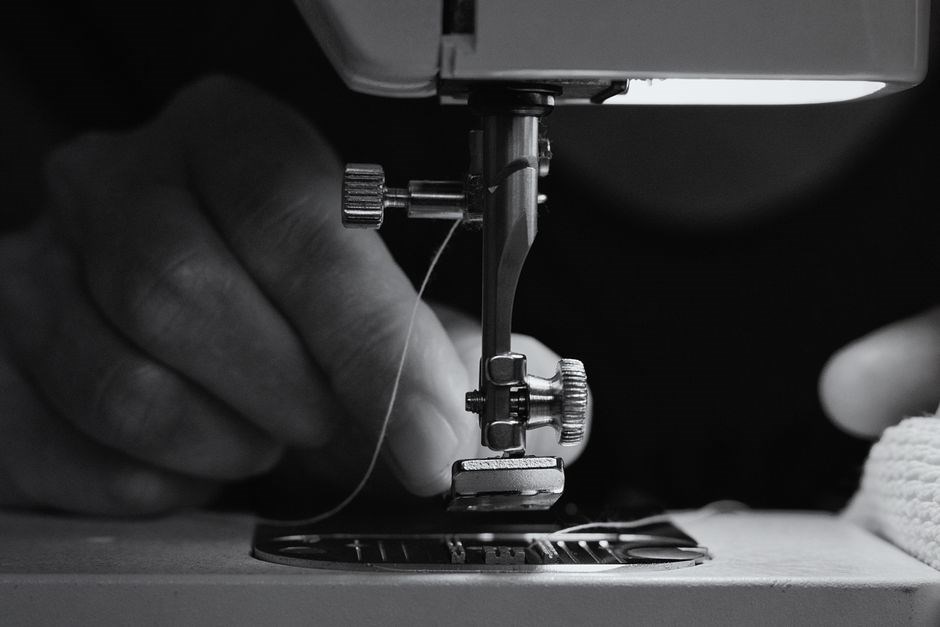
Bobbin tangles are a common nuisance on the Kenmore Mini Ultra‚ especially when using thicker fabrics or when the machine’s small feed dogs are overloaded. The key to preventing tangles lies in proper bobbin winding and regular cleaning of the bobbin case. First‚ always use a fresh bobbin thread that matches the top thread in weight and texture; mismatched threads increase friction and can cause the bobbin to twist. When winding‚ keep the bobbin flat on the winding surface and rotate it evenly to distribute the thread evenly. Avoid over‑winding‚ which can create a tight coil that is difficult to unwind during sewing. After each sewing session‚ remove the bobbin and inspect the case for any thread residue or lint. Use a soft brush or a cotton swab dipped in mild soap solution to gently clean the bobbin case‚ feed dogs‚ and the tension dial area. A clean bobbin case reduces friction and allows the bobbin to spin freely; Schedule a deep cleaning once a month‚ especially if you sew frequently or use specialty threads. During this deep clean‚ disassemble the bobbin case‚ soak it in warm soapy water‚ rinse thoroughly‚ and dry with a lint‑free cloth. Finally‚ always store the machine in a dry environment and keep the bobbin area covered when not in use to prevent dust accumulation. By following this routine‚ you’ll minimize bobbin tangles and extend the life of your Mini Ultra. Regular maintenance also helps keep the feed dogs lubricated and prevents sudden thread breaks during long projects. Keep the machine’s power cord untangled and store it in a dust‑free area.
Community Support and Safety Precautions
For Kenmore Mini Ultra owners‚ online forums such as r/Sewing on Reddit and dedicated Facebook groups provide troubleshooting tips‚ video tutorials‚ and user‑generated repair hacks. Members often share photos of bobbin tangles‚ offering step‑by‑step fixes that align with the official manual’s recommendations. Local sewing clubs also host workshops where experienced sewers demonstrate proper tension adjustment and feed‑dog cleaning‚ reinforcing the manual’s maintenance schedule.
Safety precautions are paramount. Always unplug the machine before changing bobbins‚ adjusting tension‚ or cleaning the feed dogs. The Mini Ultra’s power cord should be inspected regularly for fraying; replace it immediately if damage is detected. Keep the machine on a stable‚ level surface to prevent accidental tipping. Use the built‑in safety latch when the machine is not in operation. Never touch the needle or bobbin wheel while the machine is powered on‚ as the needle can move unexpectedly. When operating the machine‚ wear closed‑toe shoes and keep loose clothing or jewelry away from moving parts. Follow the manual’s instructions for proper use of the needle threader and ensure the needle is seated correctly to avoid sudden needle drops. Finally‚ maintain a clean work area free of lint and debris to reduce fire hazards associated with loose threads and static buildup. By combining community knowledge with strict adherence to safety guidelines‚ users can enjoy a reliable‚ long‑lasting sewing experience with the Kenmore Mini Ultra.
Keep the cord away from heat and store the machine properly in a dust‑free area.