
Love and respect are intertwined concepts, crucial for thriving relationships, encompassing behavioral insights and communication strategies for couples seeking deeper connection and understanding.
Love, defined by passion, intimacy, and commitment, extends beyond romance, while respect values individuality, honoring boundaries and perspectives within the partnership dynamic.
Establishing healthy boundaries clarifies expectations, fostering a safe space for communication and mutual growth, ultimately strengthening the foundation of love and respect shared.
The Core Relationship Dynamic
The fundamental dynamic within any successful relationship hinges on a reciprocal exchange of both love and respect; it’s not simply about feeling affection, but actively demonstrating value for your partner’s individuality.
This interplay creates a secure environment where vulnerability is welcomed, and open communication flourishes, allowing each person to express needs and boundaries without fear of judgment or dismissal.
Without respect, love can become controlling or suffocating, eroding trust and intimacy, while a lack of love alongside respect can lead to a cold, distant connection lacking emotional warmth.
A healthy dynamic acknowledges that both partners have unique needs – a “love tank” requiring emotional fulfillment and a “respect container” needing validation and appreciation – and actively works to meet those needs.
Ultimately, the core relationship dynamic is a continuous cycle of giving and receiving, where love fuels respect, and respect deepens love, fostering a lasting and fulfilling bond.
Overview of the “Love and Respect” Framework
The “Love and Respect” framework, as explored in available resources, centers on understanding differing needs within a relationship – men primarily craving unconditional respect, and women primarily needing unconditional love.
This isn’t about assigning blame or reinforcing gender stereotypes, but recognizing inherent communication patterns and emotional vulnerabilities that impact how each partner experiences connection.
The framework emphasizes that a perceived lack of either love or respect triggers a defensive response, leading to cycles of conflict and disconnection; understanding this is key to breaking those patterns.
Practical applications involve actively seeking to fulfill your partner’s core need – demonstrating respect through validation and appreciation, and expressing love through affection and attentiveness.
The goal is to create a relationship built on mutual understanding, empathy, and a conscious effort to meet each other’s emotional requirements, fostering a stronger, more resilient bond.

Understanding Love in Relationships
Love encompasses passion, intimacy, and commitment, extending beyond romance to include platonic and familial bonds, deeply rooted in our biology and survival instincts.
Defining Love: Beyond Romantic Ideals
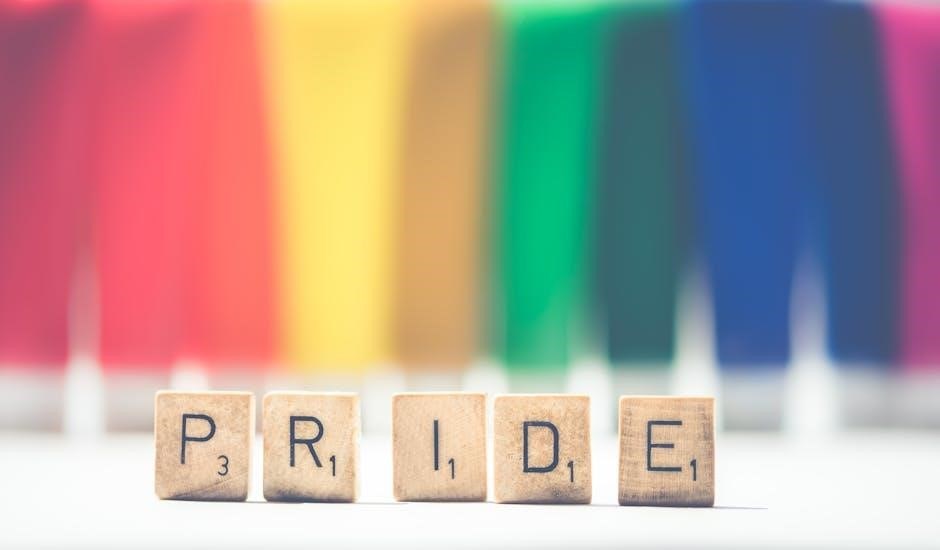
Love transcends the often-portrayed romantic ideals, encompassing a spectrum of emotions and behaviors extending far beyond passionate attraction. It’s a fundamental human experience, manifesting in diverse forms – from the deep connection within families to the cherished bonds of platonic friendships.
We express love not only for people but also for things that bring us joy or are integral to our identity; a fondness for popcorn or a dedication to acting are valid expressions. This broader understanding acknowledges that love isn’t solely about romantic partnership, but a powerful force shaping our lives.
While romantic love often dominates narratives, recognizing its place within a wider context allows for a more complete appreciation of its multifaceted nature and its profound impact on our well-being and connections with others. It’s a complex emotion with deep biological and psychological roots.
The Biological and Psychological Roots of Love
Though love often feels like an ethereal mystery, a force beyond scientific comprehension, research reveals its deeply ingrained roots within our biology and its crucial role in the survival of our species. This isn’t to diminish the emotional experience, but to understand the underlying mechanisms driving it.
Psychologically, love fosters attachment, security, and a sense of belonging – fundamental needs for human flourishing. These connections stimulate the release of neurochemicals like dopamine and oxytocin, creating feelings of pleasure and bonding. These biological responses reinforce loving behaviors.
Understanding these roots helps us appreciate love not as a fleeting emotion, but as a complex interplay of biological drives and psychological needs. Recognizing this foundation can inform how we nurture and sustain loving relationships, fostering deeper connection and mutual fulfillment.
Different Types of Love (Romantic, Platonic, Familial)
While romantic love often dominates cultural narratives, it’s crucial to recognize the diverse spectrum of loving connections that enrich our lives. Love isn’t monolithic; it manifests in distinct forms, each with unique characteristics and significance.
Platonic love, characterized by deep affection and companionship without romantic or sexual desire, provides invaluable emotional support and shared experiences. Familial love, rooted in kinship and shared history, offers a sense of belonging and unconditional acceptance.
Each type of love requires different expressions of respect and understanding. Recognizing these nuances allows us to cultivate healthier, more fulfilling relationships across all facets of our lives, appreciating the unique bonds we share with others. These connections are all vital.

The Importance of Respect
Respect involves valuing your partner’s individuality, honoring their feelings, boundaries, and perspectives, fostering a safe and secure connection for mutual growth.
Defining Respect: Valuing Individuality
Respect, at its core, is about recognizing and appreciating the inherent worth of another person, acknowledging their unique qualities, thoughts, and feelings without judgment. It’s a fundamental building block of any healthy relationship, extending beyond simple politeness to encompass genuine admiration and consideration;
Valuing individuality means accepting your partner for who they are, flaws and all, rather than trying to mold them into your ideal. It involves honoring their personal boundaries, respecting their opinions even when they differ from your own, and supporting their pursuits and passions.
This isn’t about agreeing with everything they do, but about acknowledging their right to make their own choices and live their life authentically. Respectful partners create space for each other to grow and evolve as individuals, recognizing that personal fulfillment contributes to the overall strength of the relationship. It’s a continuous process of affirmation and acceptance.
Respectful Communication: Active Listening & Validation
Respectful communication transcends simply hearing your partner; it demands active listening – fully concentrating, understanding, responding, and remembering what is being said. This involves minimizing distractions, making eye contact, and offering verbal and non-verbal cues to show engagement.
Crucially, it includes validation, acknowledging the legitimacy of your partner’s feelings, even if you don’t necessarily agree with their perspective. Validation doesn’t mean condoning behavior, but recognizing their emotional experience as real and important to them.
Phrases like “I understand why you feel that way” or “That sounds really difficult” can be incredibly powerful. Avoid interrupting, dismissing their emotions, or offering unsolicited advice. Creating a safe space where both partners feel heard and validated fosters trust and strengthens the emotional connection, building a foundation of mutual respect.
Honoring Boundaries as a Form of Respect
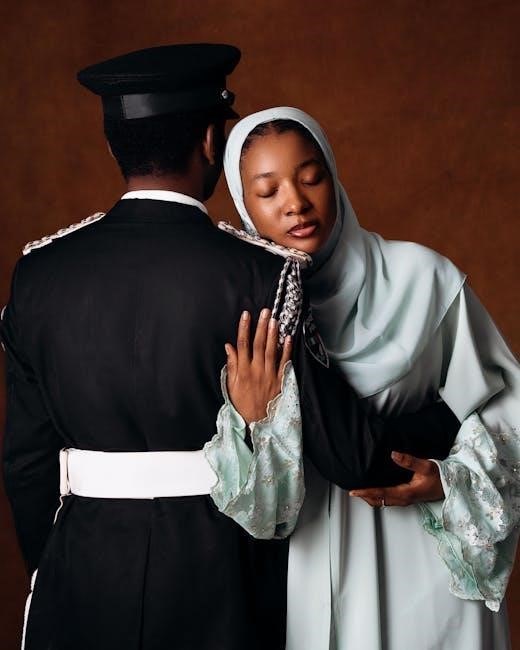
Boundaries are the unspoken rules we set to define what behaviors we will and will not accept from others, and are fundamentally rooted in respect – both for oneself and for one’s partner. They clarify expectations, ensuring both individuals feel safe and valued within the relationship.
Honoring boundaries means acknowledging and respecting your partner’s limits, whether they are physical, emotional, or mental. It requires open communication about these limits and a willingness to adjust behaviors accordingly. Disregarding boundaries communicates a lack of respect and erodes trust.
Knowing what is “too far” in all aspects of the relationship is vital. Boundaries aren’t about control; they’re about creating a healthy dynamic where both partners can thrive, fostering a secure and loving connection built on mutual understanding and consideration.

Love and Respect: A Reciprocal Relationship
Love and respect exist in a dynamic cycle; a deficiency in respect diminishes love, while mutual honoring of boundaries strengthens the emotional connection and trust.
The Cycle of Love and Respect
The cycle of love and respect is a foundational element in building and maintaining healthy, fulfilling relationships. It’s a reciprocal process where expressions of love naturally inspire feelings of respect, and demonstrated respect, in turn, deepens the experience of love.
This isn’t a static state, but a continuous flow. When individuals feel loved – through acts of kindness, affection, and understanding – they are more inclined to value and respect their partner as an individual. Conversely, when respect is consistently shown – by honoring boundaries, validating feelings, and actively listening – it creates a safe and secure environment where love can flourish.
However, this cycle can be easily disrupted. A breakdown in respect, even subtle, can erode the foundation of love, leading to resentment, distance, and ultimately, relationship strain. Understanding and actively nurturing this cycle is paramount for long-term relational success, fostering a connection built on mutual appreciation and genuine care.
How Lack of Respect Erodes Love
A deficiency of respect acts as a corrosive force, systematically dismantling the foundations of love within a relationship. When individuals feel undervalued, unheard, or dismissed, the emotional connection begins to fray, leading to feelings of resentment and disconnection.
Disrespect manifests in various forms – from belittling comments and boundary violations to a lack of active listening and consistent invalidation of feelings. These actions communicate a fundamental lack of regard for the partner’s worth and individuality, slowly chipping away at the love that once existed.
Over time, this erosion of respect breeds emotional distance, creating a climate of distrust and defensiveness. The initial feelings of affection and attraction can become overshadowed by negativity, ultimately leading to a breakdown in intimacy and a diminished capacity for genuine connection. Rebuilding love after significant disrespect requires intentional effort and a commitment to restoring mutual regard.

Meeting Each Other’s Needs: The Love Tank & Respect Container

The “Love Tank” and “Respect Container” are powerful metaphors illustrating how individuals experience and require both love and respect for a fulfilling relationship. The Love Tank represents emotional needs – affection, appreciation, and quality time – that, when filled, foster feelings of closeness and security.
Conversely, the Respect Container embodies the need for validation, admiration, and a sense of worth. When this container is full, individuals feel valued and honored for who they are. Both tanks and containers require consistent “deposits” to remain healthy.
Neglecting either need leads to depletion and dissatisfaction. A full Love Tank without a full Respect Container can feel suffocating, while a full Respect Container without a full Love Tank can feel emotionally distant. Prioritizing both ensures a balanced and thriving partnership, built on mutual fulfillment.

Establishing Healthy Boundaries
Boundaries are essential for fostering love and respect, clarifying expectations so partners understand how to best love and support each other safely.
Identifying personal limits and communicating them effectively creates a secure space, ensuring both individuals feel valued and protected within the relationship.
Why Boundaries are Essential for Love and Respect
Boundaries aren’t restrictions, but rather guidelines that define where you end and your partner begins, fostering a healthy dynamic built on mutual respect and understanding.
Without clear boundaries, relationships can easily fall into patterns of resentment, control, or emotional exhaustion, eroding the very foundation of love and respect.
They clarify expectations, allowing individuals to know how to best love and support each other, while simultaneously protecting their own emotional and mental wellbeing.
Boundaries create a safe space for vulnerability and open communication, enabling partners to express their needs and feelings without fear of judgment or overstepping.
Respecting boundaries demonstrates a genuine valuing of your partner’s individuality, acknowledging their right to have their own thoughts, feelings, and limits.
Ultimately, healthy boundaries are not about building walls, but about constructing a secure and loving connection where both individuals can thrive and flourish.
Identifying Personal Boundaries
Self-reflection is key to identifying your personal boundaries; consider what behaviors from others make you feel uncomfortable, resentful, or drained – these are boundary violations.
Explore your values and needs; what is truly important to you? What are your non-negotiables in a relationship? These insights will illuminate your boundary requirements.
Pay attention to your emotional responses; do you often feel obligated to say “yes” when you really want to say “no”? This indicates a potential boundary issue.
Recognize your limits – emotionally, physically, and mentally; what are you willing to give, and what do you need to protect for your own wellbeing?
Consider past experiences; have you been hurt in relationships before? Learning from these experiences can help you establish stronger boundaries moving forward.
Remember, boundaries are personal and can evolve over time; regularly reassess your needs and adjust your boundaries accordingly for a healthier relationship.
Communicating Boundaries Effectively
Clear and direct communication is paramount when expressing your boundaries; avoid hinting or expecting your partner to read your mind – be explicit about your needs.
Use “I” statements to express your feelings and needs without blaming or accusing your partner; for example, “I feel uncomfortable when…” instead of “You always…”
Be assertive, not aggressive; stand your ground respectfully, without resorting to anger or threats; a calm and firm tone conveys your boundaries effectively.
Explain the why behind your boundaries; helping your partner understand your reasoning can foster empathy and reduce resistance to your requests.
Be prepared to repeat yourself; boundaries may need to be reinforced over time, especially if they are new or challenging for your partner to accept.
Remember, communicating boundaries is an act of self-respect and a foundation for a healthy, loving, and respectful relationship built on mutual understanding.

The “Love and Respect” PDF & Its Key Takeaways (as of 02/17/2026)
Current resources emphasize boundaries clarifying expectations, fostering safe communication, and mutual love; respect involves valuing individuality and honoring perspectives within relationships.
The “Love and Respect” framework, as detailed in available resources as of February 17, 2026, centers on the understanding that love and respect are not equivalent but reciprocal needs within a relationship. Love, encompassing passion, intimacy, and commitment, is often how individuals feel, while respect is how they want to be treated.
A key takeaway is the importance of recognizing that men and women often express and experience love and respect differently. Effective communication, active listening, and validation are crucial components. Boundaries are paramount, clarifying expectations and creating a safe space for both partners.
Furthermore, the resources highlight the detrimental effects of a lack of respect, which can erode love over time. Understanding and meeting each other’s needs – often visualized as a “love tank” and a “respect container” – is essential for maintaining a healthy dynamic. Ultimately, the framework advocates for intentionality and consistent effort in demonstrating both love and respect.
Practical Applications of the Framework
Applying the “Love and Respect” principles begins with self-awareness – identifying your own needs for both love and respect, and understanding how you express them. Couples can benefit from actively practicing empathetic listening, striving to truly understand their partner’s perspective without interruption or judgment.
Specifically, this involves validating feelings, even when disagreeing with viewpoints. Establishing clear and healthy boundaries is vital; openly communicating these boundaries, and respecting your partner’s, fosters a safe and trusting environment.
Regularly “filling” each other’s “love tanks” and “respect containers” through intentional acts of kindness, appreciation, and affirmation reinforces the positive cycle. Utilizing “love language” understanding – identifying how your partner best receives love – is also highly effective. Consistent effort and a commitment to growth are key to long-term success.